Fort Stewart Shooting: Army Sergeant Quornelius Radford Pleads Not Guilty After Injuring Five in Georgia Base Incident
In a tragic event that shook one of the United States Army’s largest installations, a shooting unfolded at Fort Stewart in Georgia, highlighting ongoing concerns about violence within military communities. The incident, which occurred earlier this year, involved an active-duty sergeant who allegedly opened fire on his colleagues, resulting in multiple injuries and a swift lockdown of the base. As investigations progressed, details emerged about the suspect’s background, the response from authorities, and the broader implications for base security and soldier welfare.
Fort Stewart, located about 30 miles southwest of Savannah, serves as the home to the 3rd Infantry Division and is a sprawling facility that supports thousands of service members, their families, and civilian employees. The base’s vast expanse covers nearly 280,000 acres, making it a critical hub for training and deployment operations. On that fateful day, what began as a routine morning quickly escalated into a crisis that required coordinated efforts from military police, medical teams, and external law enforcement agencies.
The shooting not only disrupted daily activities but also prompted a reevaluation of protocols related to personal weapons on military installations. With the suspect now facing serious charges in a military court, the case continues to draw attention from both within the armed forces and the public at large. Updates on the legal proceedings have provided further insight into the events leading up to and following the attack.
Timeline of the Events
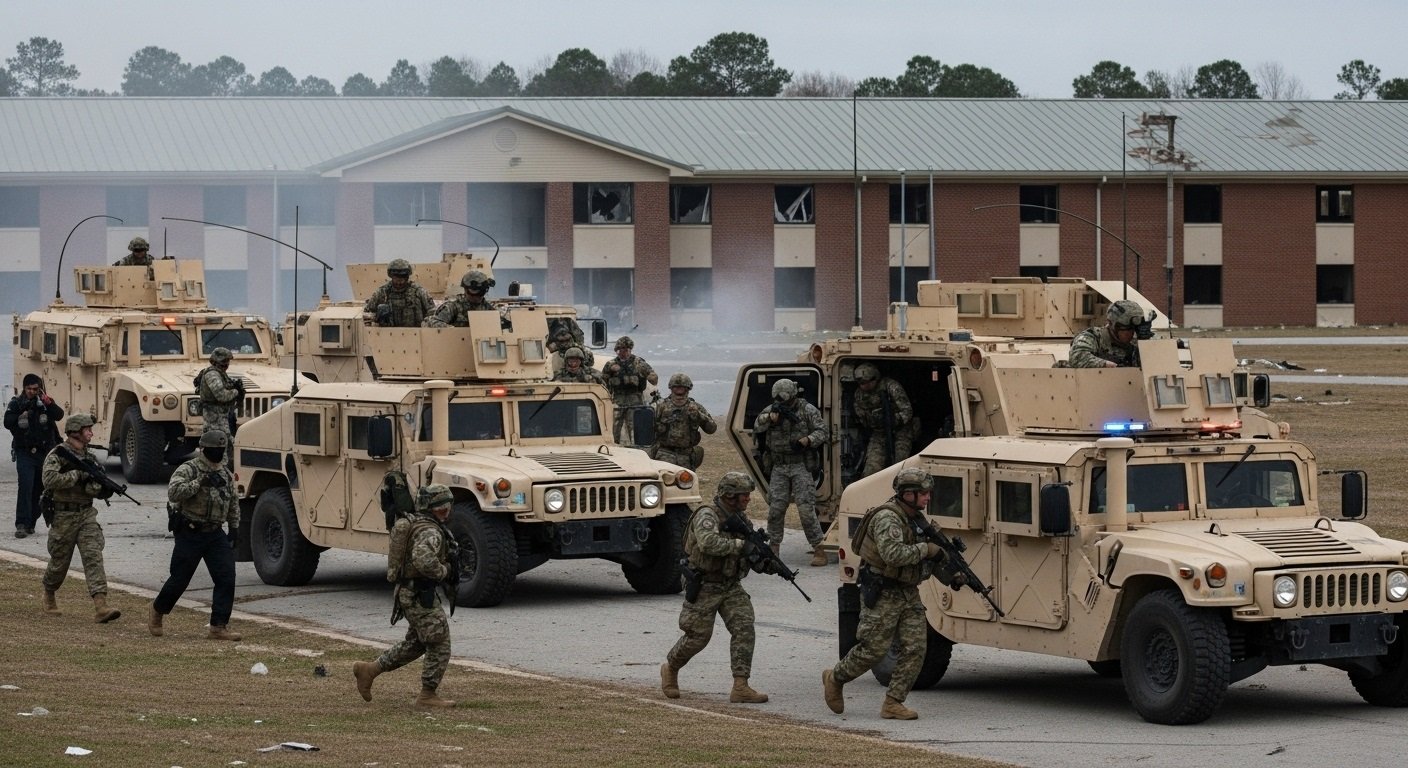
The sequence of events began shortly before 11 a.m. on August 6, when reports of gunfire echoed through the 2nd Armored Brigade Combat Team area. Military officials later confirmed that the first shots were fired at approximately 10:56 a.m., triggering an immediate alert across the installation. Within minutes, at 11:04 a.m., Fort Stewart was placed under full lockdown, with instructions issued for all personnel to shelter in place.
Emergency medical personnel were dispatched by 11:09 a.m. to attend to the wounded, who were quickly transported to nearby medical facilities for treatment. The suspect was apprehended at 11:35 a.m., marking the end of the immediate threat after a tense 39-minute standoff. The lockdown for the main cantonment area was lifted at 12:10 p.m., although the specific site of the shooting remained secured for ongoing investigation.
During this period, the base’s communication channels were activated to keep residents informed, with updates posted on official social media accounts. The rapid response helped contain the situation, preventing further casualties and allowing for a methodical assessment of the scene. Investigators from the Army Criminal Investigation Division arrived promptly, working alongside FBI agents from the Savannah office to gather evidence.
Immediate Aftermath
In the hours following the apprehension, medical teams focused on stabilizing the injured, with two victims transferred to a Level 1 trauma center in Savannah for advanced care. All five individuals were reported to be in stable condition by the end of the day, a testament to the efficiency of the base’s emergency protocols. The lockdown extended its impact beyond the military perimeter, affecting local schools and communities.
Six nearby schools, including three on-base elementary schools serving nearly 1,400 students, were placed under soft lockdown precautions. This occurred on the first day of the school year, adding to the anxiety for families. Parents and educators coordinated with base officials to ensure student safety, with reunions happening only after the all-clear was given.
The incident’s resolution involved表彰 for those who intervened directly. Several soldiers who tackled and subdued the gunman were later awarded medals for their bravery, recognizing their quick actions that likely saved lives. These honors were presented in a ceremony the following day, underscoring the valor displayed amid chaos.
The Suspect and Background
The individual accused in the shooting is Sergeant Quornelius Samentrio Radford, a 28-year-old active-duty soldier assigned to a supply unit within the 2nd Armored Brigade Combat Team. Specializing in automated logistics, Radford had been serving in this role since 2018 and was known among peers as a dedicated worker. However, accounts from colleagues paint a picture of a man who endured significant personal challenges leading up to the event.
Radford’s military career included no prior combat deployments, and he had a record that included an undisclosed DUI arrest. This detail emerged during the investigation, raising questions about background checks and reporting mechanisms within the Army. His role involved managing supplies and logistics, a position that placed him in close contact with the victims, who were identified as his coworkers.
Personal hardships compounded Radford’s situation. In January, he suffered the loss of a loved one in a traffic accident, an event that reportedly affected him deeply. Additionally, complaints from his family highlighted experiences of racism at the base, though these claims are under review as part of the broader inquiry. Just before the incident, Radford sent a cryptic text message to his aunt, expressing love for everyone and indicating he was about to do something that would place him in a better situation.
Alleged Motive
Emerging details suggest that relentless bullying over a speech impediment played a significant role in the lead-up to the shooting. Colleagues described how Radford was mocked and mimicked for his stutter, a condition that made communication difficult and led to social isolation. One fellow sergeant noted that the teasing was so severe that Radford often chose to remain silent to avoid ridicule.
This harassment reportedly began early in his career and persisted, creating a toxic environment that may have contributed to his actions. While officials have not officially confirmed the motive, witness statements emphasize the impact of this ongoing mistreatment. The Army has since initiated reviews of workplace culture within the unit to address such issues.
Radford’s father spoke publicly about his son’s struggles, emphasizing the need for better support systems for soldiers facing discrimination or personal difficulties. These revelations have sparked discussions on mental health resources and anti-bullying measures in the military, aiming to prevent similar tragedies in the future.
The Victims and Their Recovery
The five individuals wounded in the attack included four soldiers and one civilian, who was identified as Radford’s romantic partner. The injuries varied in severity, with three victims sustaining grievous bodily harm from gunshot wounds to critical areas such as the chest and abdomen. Despite the seriousness, all were reported stable shortly after the incident, with expectations of full recovery.
Treatment began at Winn Army Community Hospital on base, where initial stabilization occurred. Two of the more severely injured were airlifted or transported to Memorial Health University Medical Center in Savannah, a facility equipped to handle complex trauma cases. Medical teams praised the quick response, which included on-site triage and rapid evacuation.
The victims were targeted at their workplace, adding a layer of betrayal to the physical wounds. Support services were immediately mobilized, including counseling for those affected and assistance for families. The Army’s commitment to their care extended beyond physical healing, incorporating psychological support to address the trauma.
Support Measures
In the wake of the shooting, a range of resources was made available to the victims and their units. These included:
- Medical follow-up appointments and rehabilitation programs. Each victim received personalized care plans to monitor progress and ensure comprehensive recovery. This approach helped in addressing both immediate injuries and long-term health needs.
- Mental health counseling sessions provided by base psychologists. These sessions focused on processing the event, with group and individual options to foster a sense of community and shared healing. Participation was encouraged to mitigate potential post-traumatic stress.
- Financial assistance for any out-of-pocket expenses related to treatment. The Army’s support funds covered costs not included in standard benefits, easing the burden on families during recovery. This aid extended to travel for relatives visiting the injured.
- Peer support groups organized within the brigade. Fellow soldiers shared experiences and offered encouragement, strengthening unit cohesion. These groups met regularly to discuss coping strategies and rebuild trust.
- Legal guidance for navigating any claims or proceedings. Victims were informed of their rights and provided with advocates to assist in interactions with investigators. This ensured their voices were heard throughout the process.
- Community outreach events to honor the resilience of those affected. These gatherings included memorials and appreciation ceremonies, promoting solidarity. They also served as platforms for raising awareness about violence prevention.
- Enhanced security training sessions post-incident. Units reviewed protocols to better prepare for future threats, incorporating lessons learned. This proactive step aimed at empowering personnel with knowledge and confidence.
These measures underscored the military’s dedication to the well-being of its members, turning a tragic event into an opportunity for improvement.
Response and Investigation
The base’s response was swift and coordinated, involving multiple agencies to secure the area and provide aid. Military police arrived on scene within minutes, supported by local law enforcement from Liberty County. The FBI’s involvement ensured a thorough federal perspective, particularly in examining potential violations of gun policies.
Investigators focused on how the personal handgun was brought onto the base, as military regulations strictly control firearms in work areas. The weapon was not issued by the Army, highlighting gaps in enforcement that are now under scrutiny. Evidence collection included witness interviews, forensic analysis, and review of surveillance footage.
Official briefings kept the public informed, with Brigadier General John Lubas addressing the media on the day of the incident. He emphasized that the shooting targeted coworkers at their place of work, but stopped short of speculating on motives. The transparency helped quell rumors and maintain order during the lockdown.
Heroic Interventions
Several soldiers played pivotal roles in subduing the suspect, tackling him to prevent further shots. Their actions were recognized with Meritorious Service Medals in a ceremony led by base commanders. General Lubas praised their bravery, noting how they minimized casualties through decisive intervention.
The award presentation included addresses to troops and families, reinforcing the values of courage and camaraderie. Photographs from the event captured the honored soldiers standing at attention, symbolizing resilience. This recognition boosted morale and served as a reminder of the strength within the ranks.
The investigation continues to piece together the full narrative, with updates provided as new information becomes available. Cooperation between agencies has been key, ensuring a comprehensive approach to justice and prevention.
Community and Broader Impact
The shooting reverberated through the local community in Hinesville and Liberty County, where Fort Stewart is a major economic and social pillar. State Representative Al Williams described the base as integral to the area, with the incident leaving residents stunned. The close ties between military and civilians amplified the emotional toll.
Governor Brian Kemp expressed sadness over the tragedy, offering prayers for victims and families while maintaining close contact with law enforcement. His statement on social media called for Georgians to unite in support of those who serve. Similarly, Congressman Sanford Bishop highlighted the nationwide ripple effects, affecting the entire military community.
Secretary of Defense Pete Hegseth condemned the act as cowardly, while commending the response from law enforcement and interveners. These high-level acknowledgments underscored the incident’s significance, prompting calls for enhanced support systems. Community leaders organized vigils and fundraisers to aid recovery efforts.
Effects on Families and Schools
Families of base personnel faced heightened anxiety during the lockdown, relying on updates via social media and official channels. The involvement of schools added urgency, with parents rushing to pick up children once cleared. Educators managed the situation calmly, ensuring students remained safe and informed appropriately.
Long-term, the event led to increased focus on family readiness programs, offering workshops on emergency preparedness. These initiatives aimed to build resilience and provide tools for coping with uncertainty. Community partnerships strengthened, with local organizations contributing resources for mental health support.
The broader military community reflected on the incident, leading to policy discussions at higher levels. Bases across the country reviewed their security measures, incorporating lessons from Fort Stewart to enhance safety protocols.
Historical Context of Military Base Violence
This shooting adds to a troubling history of violence at U.S. military installations, where soldier-on-soldier attacks have occurred periodically. Notable precedents include the 2009 Fort Hood shooting, where an Army psychiatrist killed 13 and wounded 32 in a rampage motivated by ideological factors. That event led to significant changes in base security and mental health screenings.
Another example is the 2013 Washington Navy Yard incident, in which a contractor killed 12 and injured three before being stopped. Investigations revealed lapses in background checks, prompting reforms in contractor vetting. These cases highlight recurring themes of access to weapons and undetected personal grievances.
In 2025 alone, the U.S. has seen over 260 mass shootings, as tracked by organizations monitoring gun violence. Fort Stewart’s incident fits into this national pattern, raising questions about gun control policies specific to military environments. Efforts to restrict personal firearms on bases have been debated, balancing rights with safety.
Lessons Learned
Past incidents have driven advancements in active shooter training, with simulations now standard across installations. These exercises prepare personnel for quick response, emphasizing evacuation, hiding, and confrontation strategies. Fort Stewart’s effective handling reflects the benefits of such preparedness.
Mental health initiatives have expanded, with programs like the Army’s Comprehensive Soldier Fitness aimed at building resilience. Stigma reduction campaigns encourage seeking help, addressing issues like bullying before they escalate. Integration of peer support networks has proven effective in identifying at-risk individuals.
Policy changes post-Fort Hood included better integration of behavioral health data, ensuring commanders have access to relevant information. Similar reviews are underway following the Fort Stewart event, with potential for nationwide implementation to prevent future occurrences.
Legal Proceedings and Future Outlook
Radford’s legal journey began with his arraignment on August 15, where he pleaded not guilty to multiple charges before a military judge. The counts include six of attempted murder, reflecting shots fired at five who were hit and one missed. Additional charges of aggravated assault and domestic violence stem from the relationship with one victim.
The court-martial is set for June 15, 2026, with Radford held in pretrial confinement at a Navy facility in South Carolina. Potential penalties are severe, including life imprisonment if convicted on the murder attempts. He waived an investigative hearing, opting to proceed directly to trial.
The proceedings will examine evidence gathered, including witness testimonies and forensic reports. Defense strategies may focus on mitigating factors like bullying and personal losses, potentially influencing sentencing. The military justice system emphasizes fairness, with appeals available if needed.
Ongoing Developments
As the case progresses, updates from the Army’s legal team will inform the public. Recent hearings have confirmed the charges’ details, specifying the nature of injuries and relationships involved. The judge ensured Radford understood his rights, documenting his responses for the record.
Parallel investigations into base policies continue, with recommendations expected to enhance weapon controls and workplace monitoring. These efforts aim to foster a safer environment, learning from the incident to protect service members. Community healing remains a priority, with ongoing support programs.
The trial’s outcome will likely influence future handling of similar cases, reinforcing accountability within the ranks. As Fort Stewart moves forward, the focus shifts to rebuilding trust and ensuring the well-being of all personnel.
Conclusion
The Fort Stewart shooting serves as a stark reminder of the vulnerabilities within even the most secure environments, where personal grievances can erupt into violence. Through the bravery of interveners, the dedication of responders, and the resilience of the community, the base has begun the healing process. Key points include the swift apprehension of the suspect, the stable recovery of victims, and the initiation of reviews to prevent recurrence. As legal proceedings unfold, the incident underscores the need for robust mental health support, anti-bullying measures, and stringent security protocols in the military. Ultimately, honoring those affected means committing to a safer future for all who serve.
Recommended For You