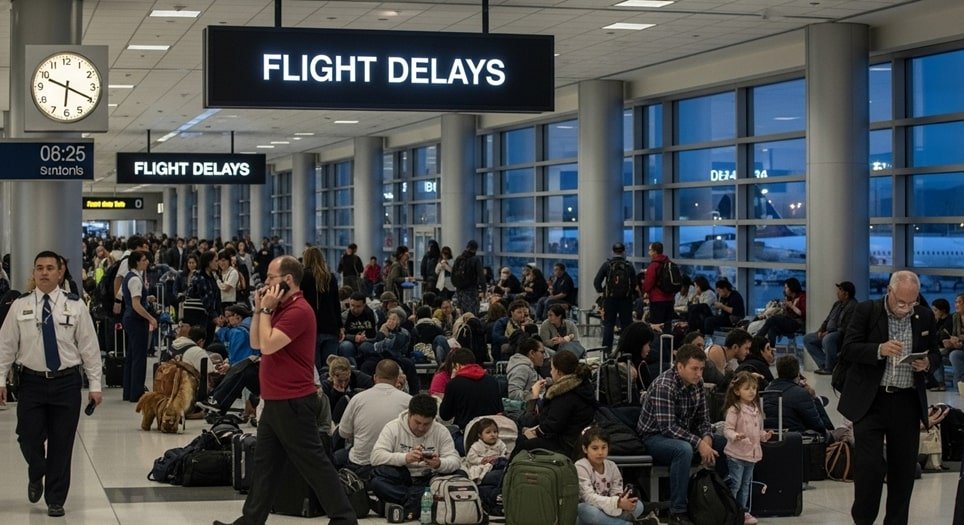
DFW Airport Flight Delays in 2025: Real-Time Status, Leading Causes, Statistics, and Impacts on Travelers
As one of the busiest hubs in the United States, Dallas-Fort Worth International Airport serves millions of passengers annually, connecting travelers to destinations worldwide. However, persistent operational challenges have made it a focal point for discussions on aviation efficiency. In recent months, the airport has grappled with a range of issues that affect departure and arrival times, drawing attention from both industry experts and the flying public.
The complexities of managing such a large facility involve coordination between airlines, air traffic control, and ground services. With American Airlines basing its largest hub here, any disruptions ripple through the network, impacting connecting flights and overall travel plans. Recent data highlights how external factors and internal inefficiencies contribute to these problems, prompting ongoing efforts to improve reliability.
Understanding the current landscape requires examining both immediate conditions and longer-term patterns. This report delves into the latest developments, providing a comprehensive overview grounded in official records and expert analyses. By exploring these elements, stakeholders can better navigate the challenges associated with air travel through this major gateway.
Travelers often face uncertainty when planning trips through this facility, especially during peak seasons. The interplay of various elements, from meteorological conditions to human resources, underscores the need for proactive measures. As the year progresses, monitoring these trends remains essential for maintaining smooth operations.
Current Flight Delay Situation at DFW
At present, the airport is experiencing moderate disruptions, with hundreds of affected departures and arrivals reported in the last 24 hours. Flight tracking services indicate that over 268 delays have occurred today, alongside a smaller number of cancellations. These figures fluctuate based on real-time conditions, but they reflect a persistent issue that has characterized operations throughout the year.
Weather plays a significant role in the immediate scenario, with mostly cloudy skies and temperatures around 42 degrees Fahrenheit contributing to potential visibility concerns. Winds from the northwest at 14 knots, with gusts up to 29 knots, could influence takeoff and landing procedures. Although no severe precipitation is forecasted in the short term, these conditions warrant close monitoring by air traffic controllers.
The forecast for the coming days suggests improving circumstances, with clear skies and rising temperatures expected. By midweek, highs could reach the upper 60s, potentially alleviating some weather-related holdups. However, airlines are advising passengers to check status updates frequently, as minor adjustments in wind patterns can lead to ground holds.
Ground operations also factor into the equation, with reports of equipment readiness and gate availability influencing turnaround times. Passengers are encouraged to arrive early to account for possible queues at security and boarding areas. This proactive approach can mitigate the stress associated with unexpected changes in schedules.
Historical Delay Statistics for DFW Airport
Looking back at performance metrics, the airport has consistently ranked among the top in the nation for disruptions. In the first half of the year, approximately 30 percent of flights experienced setbacks, placing it ahead of many peers in terms of affected operations. These numbers, derived from federal transportation records, illustrate a pattern that has persisted from previous years.
During the holiday period last December, over 26 percent of flights were delayed, with cancellation rates hovering around 2 percent. This surge aligned with increased passenger volumes, nearing 3.6 million travelers in a short span. Such spikes highlight the strain on infrastructure during high-demand times.
Comparative data from 2024 shows a slight improvement in some months, but overall trends indicate a rise in average wait times. For instance, January saw an average of nearly 67 minutes per affected flight, contributing to a national delay percentage of over 22 percent. These statistics underscore the need for systemic enhancements to handle growing traffic.
Key Monthly Delay Trends
Monthly breakdowns reveal seasonal variations that impact reliability. In the warmer months, thunderstorm activity often exacerbates issues, while winter brings its own set of challenges like fog and wind. Analyzing these patterns helps predict future bottlenecks and inform scheduling decisions.
- January disruptions averaged 20.6 percent at the airport, compared to the national figure of 22.28 percent. This period typically sees weather-related issues from cold fronts, leading to de-icing procedures that extend ground times. Passengers during this month often report longer waits at gates due to these necessary safety measures.
- August figures showed over 25 percent of operations affected, largely due to peak summer travel demand. Congested airspace around the region compounded the problem, resulting in holding patterns for incoming aircraft. This high volume strains resources, from fuel to crew availability.
- November data indicated a 8 percent delay rate on specific days, tied to early holiday rushes. Cancellations reached 2 percent amid operational adjustments by major carriers. Travelers experienced ripple effects, with connecting routes particularly vulnerable to these shifts.
- December holiday stats revealed 26.06 percent delays amid nearly 5 million expected passengers. Construction projects and traffic congestion added to the mix, creating bottlenecks at terminals. These conditions tested the airport’s capacity to manage surges effectively.
- Overall yearly averages for 2025 hover around 25 percent nationally, with the airport often exceeding this benchmark. Factors like equipment maintenance contribute to these numbers, emphasizing the importance of ongoing investments. Such insights guide policy decisions for future improvements.
- Spring months like April saw lower rates at around 15 percent, benefiting from milder weather. However, isolated storms can still cause spikes, affecting hundreds of flights in a single day. This variability requires flexible planning from both airlines and passengers.
- Fall periods, such as October, reported delays due to staffing, impacting up to 30 percent of inbound traffic. Federal alerts highlighted these issues, prompting temporary ground stops. Recovery from such events often takes hours, disrupting schedules across the network.
- Summer peaks in July reached 28 percent, driven by heat-related operational limits. Aircraft performance in high temperatures necessitates weight restrictions, leading to offloads and rescheduling. These technical constraints add layers to the delay dynamics.
These trends provide a roadmap for understanding recurring issues, allowing for targeted interventions. Airport authorities use this information to allocate resources more effectively, aiming to reduce future occurrences.
Common Causes of Flight Delays at DFW
A multitude of factors contribute to setbacks at this major hub, ranging from environmental to logistical. Weather remains a primary culprit, with Texas’s variable climate posing ongoing challenges. Thunderstorms, fog, and high winds frequently lead to safety-mandated holds, affecting both departures and arrivals.
Staffing shortages in air traffic control have emerged as a significant issue this year, resulting in ground delays that cascade through the system. Federal aviation officials have issued alerts on multiple occasions, citing insufficient personnel to manage the volume of traffic. This human element underscores the importance of workforce stability in aviation.
Equipment malfunctions also play a role, with technical problems at control facilities causing widespread impacts. In one instance earlier this fall, issues at a regional traffic center led to hours-long disruptions. Maintenance and upgrades are critical to preventing such occurrences, but they sometimes require temporary shutdowns.
Weather-Related Disruptions
Meteorological events are unpredictable yet frequent in the region, often triggering chain reactions. Strong winds, as seen recently, prompt airlines to adjust operations for safety. Monitoring systems help mitigate risks, but complete avoidance is challenging in a dynamic environment.
Staffing and Operational Challenges
Human resources constraints have led to notable incidents, including ground stops that halt inbound flights. These measures ensure safe spacing but extend wait times for passengers. Efforts to address shortages involve training programs and recruitment drives, though results take time to materialize.
Airspace Congestion and Infrastructure
The airport’s role as a mega-hub means heavy traffic, with congested skies contributing to holding patterns. Infrastructure projects, while aimed at long-term improvements, can cause short-term hurdles. Balancing growth with efficiency remains a key focus for management.
- Thunderstorms often force diversions, as their intensity can close runways temporarily. Pilots must navigate around these systems, adding miles and time to journeys. Safety protocols dictate these actions, prioritizing passenger well-being over schedules.
- Fog reduces visibility, leading to instrument-only approaches that slow throughput. Mornings are particularly prone, affecting early flights disproportionately. Advanced navigation tech helps, but limits still apply in dense conditions.
- High winds cause crosswind limitations, restricting usable runways. Airlines monitor forecasts closely, sometimes preemptively delaying departures. This proactive stance minimizes risks but can frustrate travelers expecting on-time performance.
- Staffing shortages result in reduced capacity, with controllers handling fewer aircraft per shift. This leads to sequenced arrivals, extending airborne holds. Federal guidelines mandate these adjustments to maintain safety margins.
- Equipment outages disrupt radar and communication, halting operations until resolved. Backup systems activate, but transitions take time. Regular testing aims to prevent failures, though unforeseen issues occasionally arise.
- Construction activities alter taxiways, increasing ground movement times. Projects like roadway improvements impact access, compounding aerial delays. Phased implementation helps, but overlaps can amplify effects during busy periods.
- Airline-specific issues, such as mechanical problems, contribute to chain delays. A single aircraft fault can back up gates, affecting subsequent flights. Maintenance crews work swiftly, but inspections ensure compliance with regulations.
Addressing these causes requires multifaceted strategies, from technological upgrades to policy reforms. Collaboration among stakeholders is essential for sustainable progress.
Recent News and Incidents Affecting DFW Operations
In the past few weeks, several events have spotlighted operational hurdles at the facility. One notable occurrence involved wind monitoring that led to a drop in delays after initial spikes. Airlines adjusted schedules accordingly, demonstrating adaptive measures in response to environmental factors.
Earlier in the fall, staffing issues prompted federal intervention, with ground delays implemented to manage inflow. This affected both major airports in the area, highlighting systemic challenges in air traffic management. Recovery efforts focused on restoring normalcy as quickly as possible.
Equipment problems in September caused widespread setbacks, with officials attributing the issue to technical glitches in control systems. Flights were held at origin points, minimizing congestion on the ground. Such incidents prompt reviews to enhance reliability moving forward.
A winter weather event in the northeast indirectly impacted connections, leading to cancellations pouring in from affected regions. While local conditions remained stable, the interconnected nature of air travel amplified the effects. Passengers faced rebookings and extended stays as a result.
American Airlines announced structural changes to its hub operations, aiming to optimize schedules and reduce early departures. This move addresses feedback on timing preferences, potentially easing some delay pressures. Implementation is set to benefit customers in the coming months.
Holiday rushes have seen record crowds, with long lines at checkpoints despite minimal local disruptions. Warm temperatures aided smooth flows, but volumes tested capacity limits. Officials prepared by increasing staff and advising early arrivals to handle the surge.
These developments illustrate the dynamic environment in which the airport operates, with quick responses key to minimizing impacts. Ongoing monitoring ensures that lessons from each event inform future practices.
Impact on Travelers and the Local Economy
Disruptions at this scale affect millions, leading to missed connections and altered plans. Passengers often incur additional costs for accommodations and meals during extended waits. The stress of uncertainty can detract from the overall travel experience, prompting some to seek alternatives.
Economically, the region feels the ripple effects through lost productivity and tourism revenue. Businesses reliant on timely air access, such as conventions and logistics, face challenges. Estimates suggest that each delayed flight can cost thousands in direct and indirect expenses.
Passenger volumes have seen fluctuations, with a reported drop in arrivals compared to the previous year. This 2.4 percent decrease, amounting to over half a million fewer travelers, signals potential shifts in preferences. Factors like reliability influence decisions on hubs for both leisure and business trips.
Local communities benefit from the airport’s role as an economic engine, but persistent issues could erode confidence. Job creation in related sectors, from hospitality to transportation, depends on steady operations. Balancing growth with performance is crucial for sustained prosperity.
Travelers’ stories highlight personal tolls, with families separated during holidays or professionals missing key meetings. Support services, like customer assistance teams, help mitigate these, but prevention remains the goal. Enhanced communication channels aid in managing expectations during incidents.
The broader aviation industry monitors these trends, as they influence national metrics. High delay rates can affect carrier reputations, leading to competitive disadvantages. Investments in infrastructure aim to counteract these, fostering resilience against common pitfalls.
Airport and Airline Responses to Delay Challenges
Management has initiated several projects to address bottlenecks, including roadway enhancements for better access. These efforts, while causing short-term inconveniences, promise long-term gains in efficiency. Updates on progress are shared through official channels to keep the public informed.
Major carriers like American have revamped schedules, focusing on preferred departure windows. This includes fewer early mornings and more options during peak demand times. Such adjustments aim to align with customer needs while optimizing resource use.
Federal partnerships play a role, with aviation authorities providing guidance on staffing and equipment standards. Training initiatives seek to bolster workforce numbers, reducing reliance on overtime. These collaborative approaches ensure compliance with safety protocols.
Technology integrations, such as advanced tracking systems, enable better prediction of issues. Real-time data sharing among stakeholders facilitates quicker resolutions. Investments in these tools represent a forward-thinking strategy to combat recurring problems.
Passenger-focused measures include expanded lounges and digital alerts for status changes. These enhancements improve the on-ground experience during waits. Feedback mechanisms allow for continuous refinement of services.
Overall, these responses demonstrate a commitment to improvement, with measurable goals set for reduction in delay rates. Regular assessments track effectiveness, adjusting tactics as needed.
Comparison with Other U.S. Airports
Relative to peers, this facility often tops lists for highest disruption rates, with over one in four flights affected this year. In contrast, airports like Salt Lake City boast on-time percentages nearing 85 percent. These disparities stem from differences in traffic volume and geographic factors.
Eastern hubs face similar weather woes, but congestion levels vary. New York area airports report comparable cancellation rates during storms, yet recovery times differ based on infrastructure. Benchmarking against these provides insights for targeted upgrades.
Western counterparts benefit from milder climates, contributing to lower averages. However, all major sites contend with national issues like controller shortages. Shared challenges foster industry-wide solutions, from policy advocacy to tech adoption.
Passenger satisfaction surveys reflect these dynamics, with rankings influenced by reliability. Facilities with proactive measures score higher, encouraging emulation. This competitive landscape drives innovation across the board.
Data from transportation bureaus allows for detailed comparisons, highlighting strengths and areas for growth. For instance, while holiday stress levels are high here, some midwestern airports handle peaks more smoothly. Learning from these examples informs strategic planning.
Conclusion
In summary, flight disruptions at Dallas-Fort Worth International Airport in 2025 stem from a combination of weather, staffing, and operational factors, as evidenced by statistics showing high delay rates throughout the year. Recent incidents, including wind-related adjustments and equipment issues, have underscored the need for ongoing improvements. Impacts extend beyond individual travelers to the broader economy, prompting responses from airport authorities and airlines aimed at enhancing efficiency. By comparing with other hubs and leveraging technology, the facility positions itself for better performance ahead. Ultimately, these efforts aim to restore confidence and ensure smoother journeys for all users.
Recommended For You