
Cataracts Explained: Complete Guide to Symptoms, Causes, Treatment, and Prevention

Cataracts represent one of the most common eye conditions affecting millions of people worldwide, particularly those over the age of 60. This progressive condition involves the clouding of the eye’s natural lens, leading to vision impairment that can significantly impact daily activities and quality of life. Understanding cataracts, their symptoms, causes, and available treatment options is essential for maintaining optimal eye health and preserving vision throughout life.
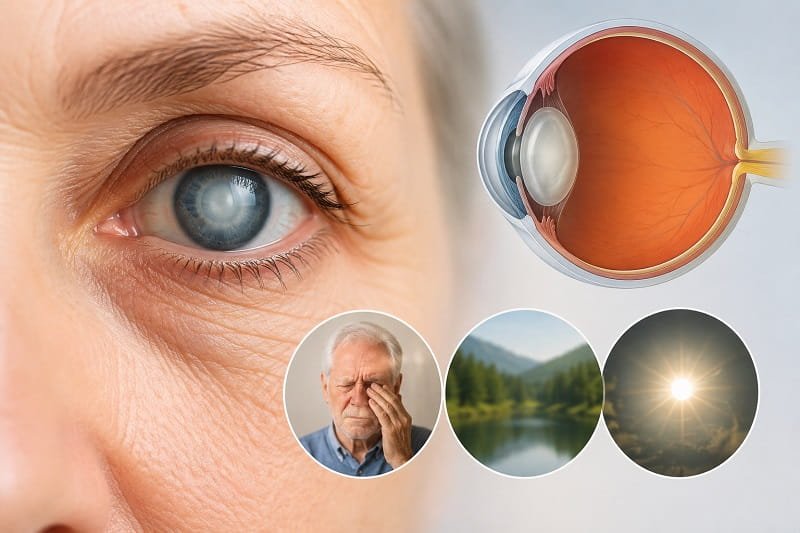
The lens of the eye is typically clear and flexible, made primarily of proteins called crystallins that are arranged in a precise pattern to allow light to pass through. As we age, these proteins can break down and clump together, forming cloudy patches on the lens that obstruct light from reaching the retina. This clouding process develops gradually in most cases, though the rate of progression varies significantly among individuals. While cataracts are primarily associated with aging, they can also develop due to various other factors including diabetes, eye injuries, prolonged exposure to ultraviolet radiation, and certain medications.
Understanding the Anatomy and Function of the Eye Lens
To fully comprehend how cataracts affect vision, it is important to understand the role of the lens in the visual system. The lens is positioned behind the colored part of the eye, known as the iris, and sits in front of the vitreous gel that fills the eye. Its primary function is to bend light rays entering the eye, focusing them precisely onto the retina at the back of the eye. The retina contains specialized nerve cells that detect light and convert it into electrical signals, which are then transmitted through the optic nerve to the brain for processing into the images we see.
When the lens remains clear, light can pass through unobstructed, allowing for sharp, clear vision. However, when cataracts form, the cloudy areas scatter and block light, preventing it from focusing properly on the retina. This results in the characteristic symptoms of blurred, hazy, or dimmed vision that individuals with cataracts experience. The lens is composed of several layers, similar to the structure of an onion, and cataracts can develop in different regions of the lens, leading to various types and patterns of vision impairment.
Common Signs and Symptoms of Cataracts
Cataracts typically develop slowly over time, and many individuals may not notice symptoms in the early stages when the clouding affects only a small portion of the lens. As the cataract progresses and involves more of the lens, symptoms become increasingly noticeable and can significantly interfere with daily activities. Recognizing these symptoms early is crucial for timely diagnosis and appropriate management.
Visual Changes Associated with Cataracts
The most common symptom of cataracts is blurred or cloudy vision, often described by patients as looking through a foggy window or viewing the world through a dusty car windshield. This blurriness occurs because the clouded lens prevents light from passing through clearly. Many individuals also experience difficulty seeing at night or in low-light conditions, as cataracts reduce the amount of light reaching the retina. This can make activities such as driving after dark particularly challenging and potentially dangerous.
Another hallmark symptom is increased sensitivity to glare and seeing halos around lights, especially noticeable when looking at streetlights or oncoming headlights while driving at night. The scattered light caused by the cataract creates these bright circles or halos, which can be extremely bothersome and distracting. Colors may also appear faded, less vivid, or take on a yellowish tint, as the clouded lens affects how light wavelengths are transmitted to the retina. Some individuals notice that white objects appear dingy or that they have difficulty distinguishing between similar colors.
Changes in Vision Correction Needs
People with developing cataracts often find themselves needing frequent changes to their eyeglass or contact lens prescription. As the cataract alters the shape and density of the lens, it changes the eye’s refractive error, requiring updated prescriptions to maintain clear vision. Interestingly, some individuals with nuclear cataracts experience temporary improvement in their near vision, a phenomenon known as second sight. This occurs because the increasing density of the lens nucleus causes a myopic shift, allowing those who previously needed reading glasses to read without them temporarily. However, this improvement is short-lived and eventually gives way to progressive vision deterioration.
Double vision in one eye, also called monocular diplopia, can occur when a cataract causes light to split as it passes through different areas of the lens with varying densities. This differs from binocular double vision caused by eye muscle or alignment problems, as covering the unaffected eye does not eliminate the double image. Some individuals also report increased difficulty with depth perception and judging distances, which can make tasks like pouring liquids, climbing stairs, or reaching for objects more challenging and increase the risk of accidents or falls.
Types of Cataracts and Their Characteristics
Cataracts are classified based on their location within the lens and the underlying cause of their development. Understanding the different types helps eye care professionals determine the most appropriate treatment approach and predict how the cataract may progress over time.
Age-Related Cataracts
Nuclear cataracts, also known as nuclear sclerotic cataracts, are the most common type and develop in the center or nucleus of the lens. As these cataracts progress, the lens nucleus gradually hardens and yellows, eventually turning brown in advanced cases. This yellowing affects color perception, particularly making it difficult to distinguish between blues and purples. Nuclear cataracts typically develop slowly over many years and are strongly associated with aging. The temporary improvement in near vision that some people experience is most commonly associated with this type of cataract.
Cortical cataracts form on the outer edge or cortex of the lens and typically appear as white, wedge-shaped opacities that extend from the periphery toward the center. These cataracts can develop in a spoke-like pattern and primarily cause problems with glare, as light entering the eye is scattered by the wedge-shaped opacities. Individuals with cortical cataracts often struggle with bright lights and may find activities like driving on sunny days particularly difficult. These cataracts can affect both distance and near vision, depending on how far they progress toward the central visual axis.
Other Cataract Types
Posterior subcapsular cataracts develop on the back surface of the lens, just in front of the lens capsule. These cataracts tend to progress more rapidly than other types and can cause significant vision problems even when relatively small. They particularly affect near vision and reading ability, making close work challenging. Individuals with posterior subcapsular cataracts are extremely sensitive to glare and bright lights, and they often experience more difficulty in well-lit conditions than in dim lighting, which is opposite to the typical pattern seen with other cataract types.
Congenital cataracts are present at birth or develop during childhood and can be caused by genetic factors, infections during pregnancy such as rubella, or metabolic disorders. While some congenital cataracts are small and do not significantly affect vision, others can be large enough to obstruct the visual axis and require early intervention to prevent permanent vision loss. Traumatic cataracts result from eye injuries and can develop immediately after the injury or years later. Secondary cataracts occur as a complication of other eye diseases such as glaucoma, uveitis, or retinal disease, or as a side effect of certain medications, particularly long-term corticosteroid use.
Root Causes and Risk Factors for Cataract Development
While aging is the primary cause of cataracts, numerous factors can increase the risk or accelerate their development. Understanding these risk factors empowers individuals to make informed decisions about lifestyle modifications that may help slow cataract progression or delay their onset.
Age and Natural Lens Changes
The aging process itself is the most significant risk factor for cataract development. Protein breakdown in the lens typically begins around age 40, though most people do not notice symptoms until age 60 or later. According to research data, nearly one in five people aged 65 to 74 have cataracts that affect their vision, and more than half of people over age 80 either have cataracts or have undergone surgery to remove them. The World Health Organization estimates that approximately 17 percent of people globally have cataracts that cause vision problems, making it the leading cause of blindness worldwide, though this prevalence varies significantly by region and access to treatment.
The natural aging process causes cumulative damage to lens proteins through oxidative stress. Free radicals generated by normal metabolic processes attack the proteins and lipids in the lens, leading to their breakdown and aggregation. Over time, the lens loses its antioxidant capacity and ability to repair this damage, resulting in increasing opacity. Environmental factors and lifestyle choices that increase oxidative stress can accelerate this process, explaining why some individuals develop cataracts earlier or more severely than others of the same age.
Medical Conditions and Diabetes
Diabetes mellitus significantly increases the risk of developing cataracts and often leads to their earlier onset. People with diabetes may develop cataracts 10 to 15 years earlier than those without the condition. High blood glucose levels can cause excess sugar to accumulate in the lens, where it is converted into sorbitol, a substance that draws water into the lens and causes swelling. This osmotic stress damages lens proteins and accelerates cataract formation. Additionally, the oxidative stress associated with diabetes further contributes to lens protein damage.
Poor glycemic control is particularly problematic, as persistently elevated blood sugar levels cause more rapid cataract progression. Recent research indicates that individuals with diabetes who maintain poor metabolic control have significantly higher odds of developing various types of cataracts. The presence of diabetes-related complications such as diabetic retinopathy, chronic kidney disease, and diabetic polyneuropathy further increases cataract risk. This underscores the importance of maintaining optimal blood glucose levels not only for overall health but also for preserving eye health and preventing premature cataract development.
Lifestyle Factors and Environmental Exposures
Smoking is a well-established modifiable risk factor for cataracts. Tobacco smoke contains hundreds of harmful substances including nicotine, free radicals, and heavy metals like cadmium and lead, which accumulate in the lens and cause direct toxicity. Smoking increases oxidative stress throughout the body and depletes endogenous antioxidants such as vitamin C, vitamin E, and beta-carotene, leaving the lens more vulnerable to oxidative damage. Research demonstrates that smokers have a significantly elevated risk of developing cataracts compared to non-smokers, and the risk increases with the amount and duration of smoking. Encouragingly, studies show that smoking cessation can reduce this risk over time, though the benefits may take several years to manifest fully.
Excessive exposure to ultraviolet radiation from sunlight is another important environmental risk factor. UV rays, particularly UVB radiation, penetrate the eye and generate free radicals in the lens, causing oxidative damage to proteins and accelerating cataract formation. People who spend extensive time outdoors without adequate eye protection, such as farmers, fishers, and construction workers, face elevated risk. Studies show that wearing sunglasses with 100 percent UVA and UVB protection can help reduce this risk. Wide-brimmed hats provide additional protection by blocking overhead sunlight.
Medications and Other Medical Factors
Long-term use of corticosteroid medications, whether in the form of oral tablets, inhalers for asthma, or topical preparations, is strongly associated with cataract development. Corticosteroids typically cause posterior subcapsular cataracts and can lead to significant vision impairment even with relatively moderate doses when used for extended periods. Other medications linked to increased cataract risk include certain antipsychotic drugs, though the evidence is stronger for older first-generation medications than for newer alternatives.
Previous eye surgery, particularly vitrectomy (surgery to remove the vitreous gel), substantially increases the risk of nuclear sclerosis progression. Nearly every person who undergoes vitrectomy without concurrent cataract surgery will experience accelerated cataract development afterward. This may occur because the natural vitreous humor contains ascorbic acid, which helps neutralize oxidative damage, and the solutions used to replace it lack this protective component. Eye trauma from injuries can also lead to traumatic cataracts, either immediately or years after the initial injury. High blood pressure, obesity, and heavy alcohol consumption have also been identified as risk factors in various studies, though the associations are not as strong or consistent as those for age, diabetes, and smoking.
Diagnosis and Comprehensive Eye Examination
Diagnosing cataracts requires a comprehensive eye examination performed by an optometrist or ophthalmologist. Early detection allows for appropriate monitoring and timely intervention when necessary. The diagnostic process involves several components designed to assess not only the presence of cataracts but also their severity and impact on vision.
Components of the Diagnostic Examination
The examination typically begins with a detailed patient history, during which the eye care provider asks about symptoms, their onset and progression, family history of cataracts, medical conditions, medications, and lifestyle factors. Visual acuity testing measures how well each eye can see at various distances using standardized eye charts. This provides an objective measure of vision loss and establishes a baseline for tracking changes over time.
A slit lamp examination is a key component of cataract diagnosis. This specialized microscope allows the eye care professional to examine the structures of the eye under magnification with a focused beam of light. The examiner can visualize the lens in detail, identifying the location, size, and type of any cataracts present. The Lens Opacities Classification System is commonly used to grade cataracts based on their type and severity, providing a standardized method for documentation and comparison over time.
Dilated eye examination is essential for comprehensive evaluation. Eye drops are used to widen the pupils, allowing the examiner to see the entire lens and also examine the retina and optic nerve for other conditions that might be affecting vision. A refraction test determines the eye’s refractive error and helps establish the most accurate eyeglass or contact lens prescription. Additional tests may include measurement of intraocular pressure to check for glaucoma, assessment of contrast sensitivity to evaluate functional vision quality, and evaluation of the retina using specialized imaging techniques.
Treatment Options and Management Strategies
The treatment approach for cataracts depends on the severity of symptoms and their impact on daily activities and quality of life. Early-stage cataracts may be managed with non-surgical interventions, while more advanced cataracts typically require surgical removal to restore vision.
Non-Surgical Management in Early Stages
When cataracts are mild and cause minimal vision impairment, several strategies can help individuals manage their symptoms effectively. Updating eyeglass or contact lens prescriptions can significantly improve vision in the early stages of cataract development. As the refractive error changes due to lens density alterations, new prescriptions can compensate for these changes and maintain functional vision for daily activities.
Environmental modifications can also be beneficial. Using brighter lighting for reading and close work helps overcome the reduced light transmission through the clouded lens. Magnifying glasses can assist with reading small print. Anti-glare coatings on eyeglasses reduce sensitivity to bright lights and glare. Some individuals benefit from using larger fonts on electronic devices and ensuring adequate contrast between text and backgrounds. While these strategies can improve function temporarily, they become less effective as cataracts progress, eventually necessitating surgical intervention.
Cataract Surgery: The Definitive Treatment
Surgery is the only effective treatment for removing cataracts and restoring clear vision. Cataract surgery is one of the most commonly performed surgical procedures globally and has an excellent safety profile with high success rates. Approximately 90 to 97 percent of people who undergo cataract surgery experience significant improvement in their vision, making it one of the most successful operations in modern medicine.
The decision to proceed with surgery should be made jointly between the patient and their ophthalmologist, based on how significantly the cataract interferes with daily activities. There is no urgency to rush into surgery if symptoms are manageable, as waiting typically does not harm the eye or make surgery more difficult later. However, surgery becomes strongly recommended when cataracts prevent safe driving, make reading difficult, interfere with work or hobbies, or significantly diminish quality of life. In rare cases, surgery may be necessary even without severe symptoms, such as when a cataract becomes so large that it increases intraocular pressure or prevents examination of the retina to monitor other eye conditions.
Modern Surgical Techniques and Procedures
Contemporary cataract surgery is typically performed as an outpatient procedure under local anesthesia, often supplemented with mild sedation. The surgery itself usually takes only 10 to 20 minutes to complete. The most common technique is phacoemulsification, also known as small incision cataract surgery. During this procedure, the surgeon creates a tiny incision near the edge of the cornea, typically just a few millimeters long. A small probe is inserted through this incision and uses ultrasound waves to break up the clouded lens into small pieces, which are then removed through gentle suction.
Once the natural lens is removed, the surgeon implants an artificial intraocular lens through the same small incision. These IOLs are made from biocompatible materials that are well-tolerated by the eye and do not break down over time. The incision is typically self-sealing and does not require stitches in most cases. Various types of IOLs are available, including monofocal lenses that provide clear vision at one distance, toric lenses that correct astigmatism, and multifocal or accommodating lenses designed to provide good vision at multiple distances, potentially reducing dependence on reading glasses.
Femtosecond laser-assisted cataract surgery represents a more advanced option. In this approach, a computer-guided femtosecond laser makes precise incisions in the cornea and lens capsule and can even begin the process of breaking up the lens before the ultrasound probe is used. This technology offers enhanced precision and may result in faster recovery times, though it typically costs more than traditional phacoemulsification. Extracapsular cataract extraction, which involves making a larger incision to remove the lens in one piece, is now rarely performed except in specific circumstances such as very dense cataracts that cannot be effectively broken up with ultrasound.
Recovery Timeline and Post-Operative Care
Understanding what to expect during the recovery period helps patients prepare adequately and follow post-operative instructions effectively, maximizing the chances of optimal outcomes.
Immediate Post-Operative Period
After surgery, patients spend about 15 to 30 minutes in a recovery area where medical staff monitor vital signs and ensure there are no immediate complications. Vision may be blurry or hazy immediately after the procedure, which is completely normal. Some individuals notice improvement in their vision within a few hours, particularly noticing that colors appear brighter and more vivid due to the removal of the yellowed cataract. However, it typically takes several days for vision to stabilize as the eye heals.
Common temporary side effects during the first few days include a gritty or scratchy sensation in the eye, mild discomfort, redness or bloodshot appearance, sensitivity to light, and watery eyes. These symptoms generally resolve within the first week. A protective eye shield is typically provided to wear during sleep for the first several days or week after surgery, preventing accidental rubbing or pressure on the eye during rest. Pain should be minimal, and any discomfort can usually be managed with over-the-counter pain relievers, though prescription pain medication is available if needed.
First Week to First Month
During the first week following surgery, vision continues to improve gradually. Patients are usually seen by their ophthalmologist within 24 to 48 hours after the procedure for a follow-up examination to ensure proper healing and address any concerns. Prescribed eye drops must be used according to the specific schedule provided by the surgeon, as these medications are crucial for preventing infection and controlling inflammation. The drops typically include an antibiotic to prevent infection and a corticosteroid to reduce inflammation, and sometimes a nonsteroidal anti-inflammatory drug.
Activity restrictions during this early recovery period are important to protect the healing eye. Patients should avoid rubbing or putting pressure on the eye, prevent water from entering the eye while showering or washing the face, refrain from swimming or using hot tubs, avoid heavy lifting and strenuous exercise, not bend over for extended periods, and be careful when sneezing or coughing to avoid increasing pressure in the eye. Most people can return to light work or normal daily activities within a few days, though those with physically demanding jobs may need additional time off. Driving should be avoided until vision has improved sufficiently and the ophthalmologist has given clearance, typically within a few days to a week.
Complete Recovery Period
Full recovery from cataract surgery typically takes four to eight weeks, though many people achieve functional vision much sooner. Follow-up appointments are scheduled at regular intervals during this time, commonly at one day, one week, four to six weeks, and around eight weeks after surgery. During these visits, the ophthalmologist examines the eye to monitor healing, checks for complications, and makes any necessary adjustments to the medication regimen.
After about four to six weeks, when the eye has stabilized, patients can be fitted for new eyeglasses if needed. While many people experience significant vision improvement and reduced dependence on glasses after cataract surgery, especially those who receive multifocal or accommodating IOLs, others may still need corrective lenses for certain activities such as reading or driving. The prescription is typically finalized about one to three months after surgery once healing is complete and vision has fully stabilized.
Potential Complications and When to Seek Care
While cataract surgery is very safe, complications can occasionally occur. Patients should contact their ophthalmologist immediately if they experience sudden vision loss or severe decrease in vision, significant increase in eye pain, severe redness of the eye, discharge from the eye, increasing numbers of floaters or flashes of light, or a shadow or curtain spreading across the field of vision. These symptoms could indicate serious complications such as infection, inflammation, increased intraocular pressure, or retinal detachment that require prompt medical attention.
Posterior capsule opacification is a common occurrence months or years after cataract surgery. This develops when the lens capsule, the thin membrane that holds the IOL in place, becomes cloudy over time. It can cause vision to become hazy again, similar to the original cataract. Fortunately, this condition is easily treated with a quick, painless laser procedure called YAG laser capsulotomy, which creates an opening in the cloudy capsule to restore clear vision. This procedure is performed in the office and takes only a few minutes.
Prevention Strategies and Risk Reduction
While cataracts cannot be completely prevented, particularly those related to aging, several strategies can help reduce risk, slow progression, or delay their onset. Implementing these preventive measures as part of a healthy lifestyle promotes overall eye health and may preserve vision for longer.
Lifestyle Modifications
Smoking cessation is one of the most important modifiable factors for reducing cataract risk. The benefits of quitting smoking are cumulative, meaning that the sooner someone stops, the better their long-term eye health prospects. Healthcare providers can recommend smoking cessation programs, medications, and support resources to help individuals successfully quit tobacco use. Various nicotine replacement therapies and prescription medications have proven effective in supporting smoking cessation efforts.
Protecting eyes from ultraviolet radiation should be a priority for everyone. Wearing sunglasses that block 100 percent of UVA and UVB rays whenever outdoors during daylight hours provides essential protection. Wraparound styles offer the most comprehensive coverage by blocking sunlight from the sides as well. Wide-brimmed hats provide additional protection by shading the eyes from overhead sun. This is particularly important for individuals who work outdoors or spend significant time in bright sunlight, and protection should be maintained year-round, not just during summer months, as UV radiation can reflect off snow, water, and other surfaces.
Nutrition and Dietary Considerations
While evidence regarding the effectiveness of nutritional supplements for cataract prevention shows mixed results, maintaining a healthy, well-balanced diet rich in antioxidants may offer some protective benefits. Antioxidants help neutralize free radicals that cause oxidative damage to lens proteins. Foods high in vitamins C and E, carotenoids like lutein and zeaxanthin, and other antioxidants include leafy green vegetables, citrus fruits, berries, nuts, seeds, colorful vegetables, and fish rich in omega-3 fatty acids.
For individuals with diabetes or at risk for developing the condition, maintaining a healthy diet that promotes stable blood glucose levels is particularly important. Following dietary guidelines from organizations such as the American Diabetes Association or the American Heart Association can help with both diabetes management and overall health. Maintaining a healthy body weight through balanced nutrition and regular physical activity reduces risk not only for cataracts but also for numerous other chronic conditions including diabetes, hypertension, and cardiovascular disease, all of which can affect eye health.
Medical Management and Regular Eye Care
For people with diabetes, maintaining optimal glycemic control through appropriate medication management, blood glucose monitoring, and lifestyle modifications is crucial for slowing cataract development and preventing other diabetic eye complications. Regular visits with primary care physicians and endocrinologists ensure proper disease management and early detection of any complications. Individuals taking long-term corticosteroid medications should discuss the risks and benefits with their healthcare providers and explore alternative treatments if possible.
Regular comprehensive eye examinations are essential for early detection of cataracts and other eye conditions. Adults should have their eyes examined at least every two years, or more frequently if they have risk factors such as diabetes, family history of eye disease, or are over age 60. These examinations allow eye care professionals to detect cataracts in their early stages, monitor their progression, and recommend appropriate interventions at the optimal time. Early detection and management of other eye conditions such as glaucoma and macular degeneration is also crucial, as these conditions may influence cataract treatment decisions.
Living with Cataracts: Practical Tips and Adaptations
For individuals who are not yet ready for surgery or are waiting for their surgery date, several practical strategies can help maintain independence and quality of life despite vision limitations caused by cataracts.
Home Safety and Environment Modifications
Ensuring adequate lighting throughout the home is crucial for safety and function. Install brighter light bulbs in frequently used areas, particularly in the kitchen, bathroom, and staircases. Task lighting for specific activities such as reading, cooking, or working at a desk can significantly improve visibility. Motion-activated lights in hallways and bathrooms provide illumination automatically during nighttime navigation. Reducing glare by using lampshades, adjusting window coverings, and avoiding shiny surfaces helps those with cataracts see more comfortably.
Organizing the home environment to reduce hazards and improve navigation includes removing tripping hazards such as loose rugs and clutter, marking steps with contrasting colored tape to improve visibility, using contrasting colors between objects and backgrounds to make items easier to identify, labeling containers and items clearly with large print, and arranging frequently used items in easily accessible locations to minimize searching. Installing grab bars in bathrooms and along staircases provides additional stability and reduces fall risk.
Daily Activity Adaptations
Reading can remain enjoyable with appropriate accommodations. Using large-print books, magazines, and newspapers makes text easier to see. E-readers and tablets allow font size adjustment to suit individual needs. Audiobooks and text-to-speech technology provide alternative ways to enjoy literature. Magnifying glasses, both handheld and stand-mounted versions, assist with reading small print. Adequate lighting directed onto reading material from behind or beside the reader reduces eyestrain.
For driving safety, limiting or avoiding driving at night when glare and poor visibility are most problematic is important. Keeping windshields clean, both inside and out, maximizes available light transmission. Having vision checked regularly and updating prescriptions as needed maintains the best possible visual acuity. Some individuals may need to reduce their driving or rely more heavily on public transportation, ride-sharing services, or assistance from family and friends as cataracts progress, prioritizing safety for themselves and others on the road.
Special Considerations for Different Populations
Cataracts in People with Diabetes
Individuals with diabetes require special attention regarding cataract management. They tend to develop cataracts earlier and may experience faster progression. The decision about when to proceed with surgery may need to balance multiple factors, including the status of diabetic retinopathy. If significant diabetic macular edema is present, additional treatments such as intravitreal anti-VEGF injections or corticosteroid implants may be recommended before or at the time of cataract surgery to prevent worsening of the retinal condition.
Post-operative management in people with diabetes also requires enhanced vigilance. These patients have a higher risk of inflammation after surgery, and prophylactic use of nonsteroidal anti-inflammatory eye drops during the perioperative period may be recommended to reduce the risk of developing or worsening diabetic macular edema. Close coordination between the ophthalmologist and the patient’s diabetes care team ensures optimal outcomes.
Congenital Cataracts in Children
When cataracts are present at birth or develop during infancy, prompt evaluation and treatment are critical. The visual system develops rapidly during the first few years of life, and any obstruction to clear visual input during this critical period can result in permanent vision loss due to amblyopia, even if the cataract is later removed. Small cataracts that do not obstruct the visual axis may be monitored without immediate intervention, but those that significantly impair vision require surgical removal as early as possible, sometimes within weeks of birth.
Management of congenital cataracts is complex and typically requires specialized pediatric ophthalmologists. After cataract removal, children may need contact lenses or glasses to correct the resulting aphakia, and they require aggressive amblyopia treatment through patching or other methods to ensure proper visual development. Long-term follow-up is essential, as these children face higher risks of complications such as glaucoma and require ongoing monitoring throughout their lives.
Recent Advances and Future Directions
Cataract treatment continues to evolve with technological advances aimed at improving surgical outcomes, reducing recovery time, and enhancing vision quality after surgery. Femtosecond laser technology represents one significant advancement, allowing for more precise incisions and fragmentation of the lens. Dropless cataract surgery, in which medications are injected directly into the eye at the end of the procedure, eliminates the need for patients to instill multiple eye drops several times daily during recovery, improving convenience and adherence.
Intraocular lens technology has advanced considerably, with newer designs providing better vision across multiple distances. Extended depth of focus lenses and trifocal lenses offer improved intermediate and near vision compared to traditional monofocal lenses. Light-adjustable IOLs represent an innovative approach, allowing the lens power to be fine-tuned after implantation using specialized ultraviolet light treatments, optimizing vision outcomes. Research continues into accommodating lenses that more closely mimic the natural lens’s ability to change focus.
On the research front, scientists are investigating the molecular mechanisms underlying cataract formation with the goal of developing pharmacological treatments that could prevent or slow cataract progression, potentially delaying or eliminating the need for surgery. Studies examining the roles of specific proteins, growth factors, and signaling pathways in lens transparency and opacification may lead to novel therapeutic targets. While no medications have yet proven effective for treating cataracts in humans, this remains an active area of investigation with significant potential for future breakthroughs.
Financial Considerations and Insurance Coverage
The cost of cataract surgery can vary considerably depending on multiple factors, including geographic location, the surgeon’s experience and reputation, the technology used, and the type of intraocular lens selected. The average cost of cataract surgery in the United States is approximately 3,500 dollars per eye for basic surgery with a standard monofocal IOL, though total costs can range from about 3,000 to 7,000 dollars or more per eye when advanced technologies or premium IOLs are chosen.
Medicare typically covers cataract surgery when vision impairment meets certain criteria, generally when visual acuity has deteriorated to a specified level that interferes with daily activities. Coverage includes the surgery itself and a standard monofocal IOL. However, if patients choose premium IOLs such as multifocal, toric, or accommodating lenses, they must pay the additional cost difference out of pocket, as Medicare considers these upgrades beyond the standard of care. Private insurance plans generally follow similar coverage policies, though specific benefits vary by plan.
For individuals without insurance coverage or those facing out-of-pocket costs, several options may help manage expenses. Many surgical centers and ophthalmology practices offer payment plans that allow costs to be spread over time. Flexible spending accounts and health savings accounts can be used for cataract surgery expenses, providing tax advantages. Some patients may qualify for assistance programs offered by charitable organizations, particularly those focused on vision care for underserved populations. Discussing financial concerns openly with the surgical center’s billing department often reveals options that can make treatment more affordable.